H1: Roundabout Signage & Approach Geometry Best Practices
🔄 1. Why Roundabouts Require Specialized Signage
Roundabouts are increasingly replacing traditional intersections because they improve traffic flow and reduce severe crashes by up to 75%. However, their unique geometry demands precise signage and lane guidance to avoid driver confusion.
Partnering with professional Roundabout Signs Manufacturers ensures each approach, yield, and directional sign meets MUTCD and AASHTO standards for modern roundabout layouts.
⚙️ 2. Key Roundabout Sign Types
Roundabout sign systems consist of three essential layers:
-
Advance Warning Signs (W2-6) – Yellow diamond-shaped, alerting drivers of an upcoming circular intersection.
-
YIELD Signs (R1-2) – Mandatory at every entry point; they govern right-of-way control.
-
Directional & Exit Signs (D1 Series) – Blue or white guidance signs showing correct lane and destination paths.
Signs should be highly retroreflective (Type IX or XI) to maintain legibility during nighttime or rain.
📐 3. Approach Geometry and Entry Deflection
Roundabout safety relies on proper approach geometry. Key design principles include:
-
Entry curvature: Forces natural deceleration to 20–25 mph.
-
Entry deflection: Prevents straight-through movement and increases driver awareness.
-
Splitter islands: Channel traffic flow and provide pedestrian refuge zones.
-
Exit alignment: Facilitates smooth departure while maintaining yield discipline.
When geometry and signage work together, crash severity and confusion decrease dramatically.
🚗 4. Lane Control and Pavement Markings
MUTCD recommends combining lane-use arrows, “ONLY” legends, and directional signs to clarify permitted movements.
For multi-lane roundabouts:
-
Use solid white lane lines before entry and dashed lines inside.
-
Install advance guide signs 200–300 ft before approach.
-
Ensure pavement markings align with sign legends for visual continuity.
These details help drivers make lane decisions earlier, improving throughput and minimizing last-second lane changes.
🧭 5. Yield Control and Sign Placement
Proper placement of YIELD signs is critical:
-
Mount on the right-hand side of each entry.
-
Maintain a minimum height of 7 ft (2.1 m) above the curb.
-
Place within 30 ft (9 m) of the entry yield line.
Adding YIELD AHEAD (W3-2) signs further improves driver readiness on high-speed approaches.
Professional Highway Signs Manufacturers ensure structural durability and retroreflectivity compliance for all yield and direction panels.
🌙 6. Lighting and Night Visibility
Roundabout sign systems must remain visible under all lighting conditions.
Key recommendations include:
-
Use Type XI microprismatic sheeting for high-intensity brightness.
-
Install downlights or overhead illumination in complex intersections.
-
Maintain consistent sign contrast and retroreflectivity for at least 10 years.
Visibility consistency is crucial—drivers should perceive all signs in the correct order and spacing sequence.
🧱 7. Pedestrian and Cyclist Considerations
Signage for non-motorized users includes:
-
Pedestrian crossing signs (W11-2, W16-7P) at each splitter island.
-
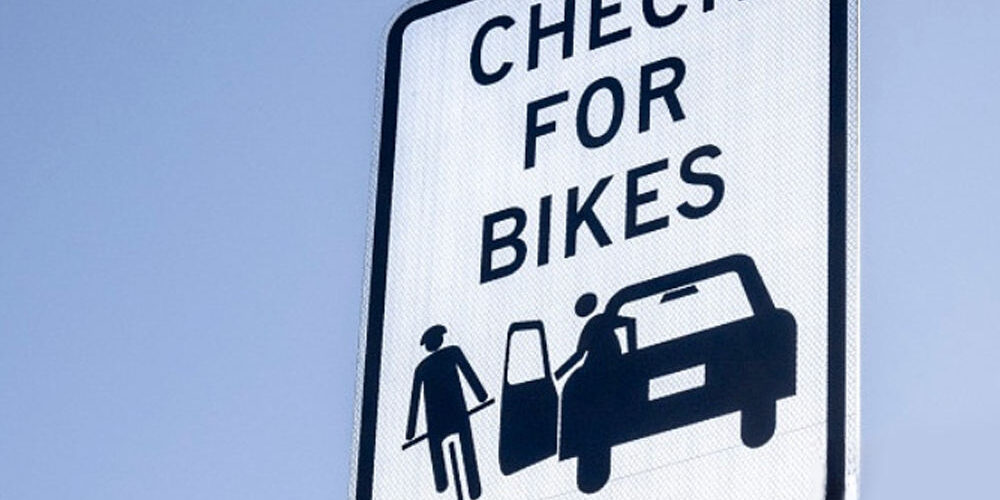
Shared path or bicycle lane indicators leading to separated crossings.
-
Yield-to-pedestrian symbols with fluorescent yellow-green backgrounds.
Clear and consistent signing keeps all users safe, especially in mixed-use zones.
🏁 8. Final Thoughts
Successful roundabout design is not just about the circle—it’s about communication.
Combining correct approach geometry, compliant signage, and high-quality reflective materials ensures every driver understands where to go and when to yield.
Working with a reliable roundabout signs manufacturer helps cities implement safe, durable, and regulation-compliant installations for long-term performance.
FAQ
Q1: How far before a roundabout should advance signs be placed?
A: Typically 200–300 ft in urban areas, and up to 500 ft on high-speed roads.
Q2: What is the ideal entry speed for modern roundabouts?
A: Between 20–25 mph (32–40 km/h) depending on lane configuration and visibility.
Q3: Can LED-illuminated yield signs be used?
A: Yes. They are approved under FHWA Interim Approvals and improve nighttime recognition significantly.