H1: Construction Work Zone Signs: Materials, Layouts, Lead Times
🚧 1. Why Construction Work Zone Signs Are Essential
Work zones are high-risk environments where visibility, clarity, and speed control can make the difference between smooth traffic flow and serious accidents.
Using durable, compliant, and easy-to-install construction signs is critical to maintaining both driver awareness and worker protection.
Professional Construction Signs Manufacturers provide high-quality reflective signs engineered to meet MUTCD Part 6 requirements for temporary traffic control.
⚙️ 2. Standard Sign Materials for Work Zones
Temporary signs must balance portability and durability. The most common materials include:
-
Roll-up signs: Reinforced vinyl or mesh fabric with fiberglass ribs for lightweight mobility.
-
Rigid aluminum signs: 5052-H38 aluminum panels with high-intensity reflective films.
-
Plastic composite boards (ABS/HDPE): For quick setup and low wind load areas.
Reflective sheeting types typically range from Type III to Type IX, ensuring adequate nighttime visibility even under flashing or low-beam headlights.
For long-term roadwork projects, partnering with reliable Traffic Safety Products Manufacturers ensures consistent material quality and compliance.
🧱 3. Reflective Sheeting and Color Coding
MUTCD specifies standard color codes for temporary traffic control:
| Color | Application |
|---|---|
| Fluorescent Orange | General work zone warning signs |
| Black on Orange | Legends and symbols |
| White on Red | Regulatory instructions |
| Yellow-Green | Pedestrian or school-related work zones |
High-quality microprismatic sheeting (Type IX) provides 3–4× the brightness of older beaded films, maintaining legibility during dawn, dusk, and wet conditions.
📐 4. Layout and Legend Design
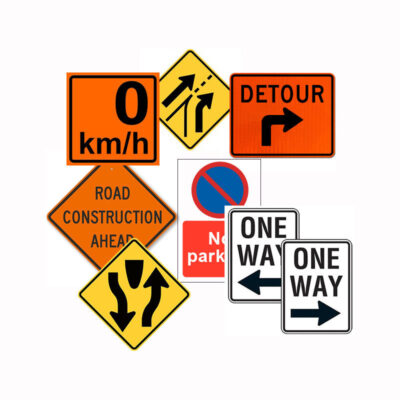
Work zone signs follow the same geometric standards as permanent signs but use temporary-specific legends such as:
-
“ROAD WORK AHEAD”
-
“LANE CLOSED”
-
“DETOUR”
-
“BE PREPARED TO STOP”
Letter heights range from 4–8 inches depending on approach speed, while sign shapes (diamond or rectangular) must match MUTCD layouts.
All legends should use FHWA Series C–E fonts for uniformity and recognition.
🕒 5. Lead Times and Production Planning
Production time varies depending on material and customization:
-
Standard roll-up signs: 3–5 business days
-
Rigid aluminum signs: 7–10 business days
-
Custom logo or bilingual text signs: 10–15 business days
To avoid project delays, plan procurement early and confirm reflective film type, mounting hardware, and edge sealing with your supplier.
🔩 6. Mounting and Hardware Options
Mounting choices vary based on environment:
-
Tripod stands: Portable and easy to deploy for short-term projects.
-
Spring stands: Withstand wind gusts and ensure stability.
-
Permanent posts or barriers: Used for long-term or repeating work zones.
All mounting systems must meet NCHRP 350 / MASH crashworthiness standards.
⚡ 7. Nighttime Visibility and Lighting
Work zones are most hazardous after dark.
Supplement reflective signage with warning lights, barricade flashers, and illuminated arrow boards to improve visibility.
LED-enhanced roll-up signs are increasingly popular for night construction and tunnel projects due to their lightweight design and low energy consumption.
🧠 8. Maintenance and Reuse
To extend lifespan:
-
Clean reflective surfaces regularly with mild detergent.
-
Avoid folding signs with wet surfaces.
-
Inspect edges for delamination before reuse.
Proper storage and maintenance can double the life of a construction sign, reducing replacement costs over time.
🏁 9. Conclusion
Effective work zone signage combines engineering precision with practical field durability.
Collaborating with a professional construction signs supplier ensures your project complies with MUTCD requirements while protecting both workers and drivers throughout the project lifecycle.
FAQ
Q1: Can construction signs be customized with company logos?
A: Yes, as long as the logo does not interfere with MUTCD-required symbols or colors.
Q2: How long do roll-up signs typically last?
A: 2–3 years under heavy use, depending on UV exposure and storage conditions.
Q3: Are solar warning lights mandatory for night work zones?
A: Not mandatory, but strongly recommended for visibility and safety compliance.